
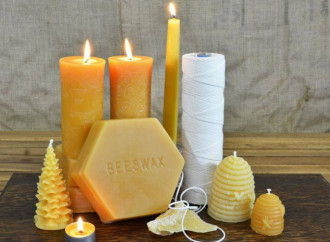
Honey and candles: symbols of taste, health and virtue
There is one thing that almost all abbeys produce: honey, the most ancient and traditional sweetener, a mainstay in cookery, in health promotion, and in candle-making, in recipes like those of Saint Hildegard. The bee, compared to the Virgin Mary in the Laus Apium, is therefore dear to monasticism because of the religious quality of its rigorous behaviour and its intelligent and incessant work.
- THE RECIPE: ROASTED PEAR SALAD WITH HONEY AND GORGONZOLA


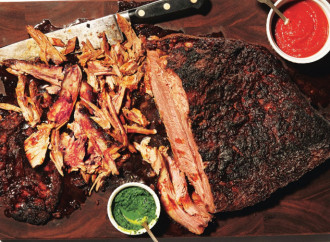
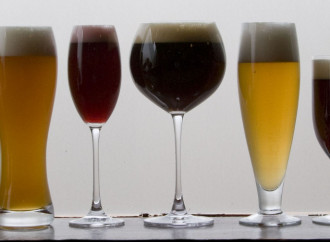
How Egyptians, abbesses and saints honoured beer
Beer is believed to be more than six thousand years old. The most ancient remains have been found in Mesopotamia (the oldest recipe we know of is 3,900 years old). The oldest monastery that brewed beer is the Italian Monastery of Montecassino. The monks considered beer an actual medicine. The addition of hops was a monastic invention due to Hildegard of Bingen, while a poem that sings its praises is attributed to Saint Bridget of Kildare.
- THE RECIPE: BEER-BRAISED BEEF
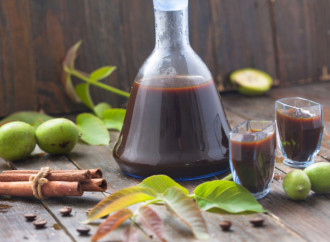
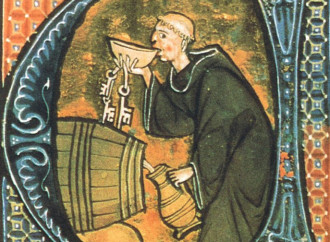
Therapeutic liqueurs that encourage “leisureliness”
From phytotherapy came elixirs and then digestifs, imbibed for medicinal purposes - until the FDA banned their sale for this use. Fortunately, today Italy is still the country with the highest number of bitters produced in the world. And for this we owe thanks to the monasteries, convents and abbeys.
- THE RECIPE: NOCINO
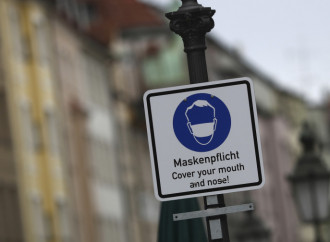
The many little Eichmanns of a ‘pandemically’ correct world
Singled out is whoever is openly skeptical about anti-Covid measures, others are punished for dissenting with mainstream thought, the manhunt continues for the plague spreader with his nose peeking out of his mask. We are at the mercy of so many Eichmanns, model citizens who think what they must think, obey, and never step out of line, “because so says the law”.
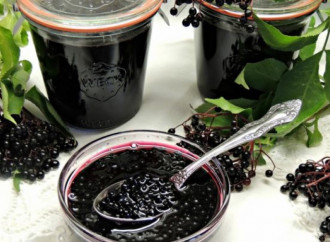
How jam-making flourished thanks to the Crusaders
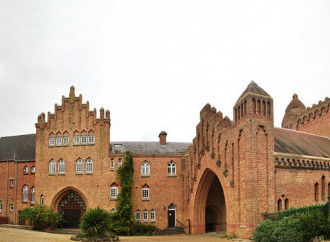
In the recipe book ‘De re coquinaria’, a collection of Roman culinary recipes in ten books compiled at the end of the 4th century, we find the recipe for jam made from figs simmered in honey. After the Crusades, the import of sugar brought about the production of jams by monasteries, a tradition that continues to this day.
- THE RECIPE: ELDERBERRY JAM
Inventive cheesemaking by the monks
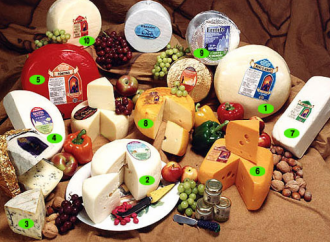
In the Middle Ages cheese was the food of the humble par excellence. Benedictines, Cistercians, Trappists, Franciscans and Dominicans have created many legendary cheeses, especially in France (from Munster to Maroilles), but also in other parts of Europe. The pride and joy of Italy, Parmigiano, is also monastic in origin. Here is an overview of the most famous products.
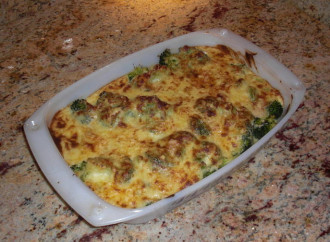
- THE RECIPE: BROCCOLI GRATIN WITH PARMESAN CHEESE
The popes’ penchant for wine (especially the Avignon popes)
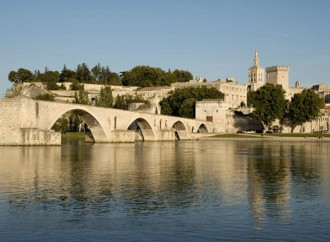
Today the Vatican has the highest per capita consumption of wine in the world, but the link between the popes and wine has roots dating back to the 13th century. Above all, it was during the Avignon period that successive popes greatly boosted the development of vine varieties and the production and consumption of wine.
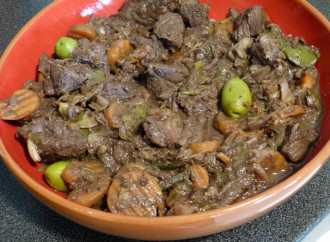
- THE RECIPE: BOEUF GARDIAN