
The “science of wine” has a patron saint in Portugal
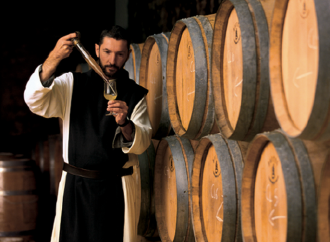
Saint Elizabeth, Queen of Portugal, is the only patron saint of oenologists and her personal history is intertwined with wine. Living at the turn of the 13th and 14th centuries, she called upon Don Edoardo de Aviz, a famous oenologist of the time, to help the nuns of the convent she had founded to produce a good wine, destined to be used for Mass in all the churches of Portugal.
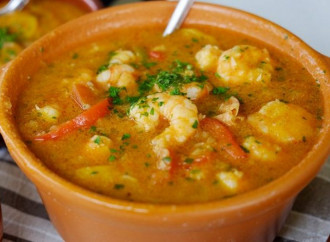
- THE RECIPE: FISH AND SEAFOOD STEW
Amandus of Maastricht, patron saint of vinegar producers
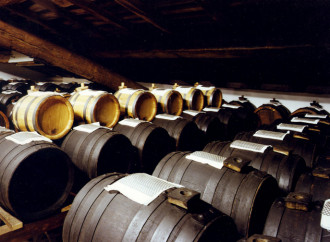
Vinegar is the drink that was given to Jesus on the cross: a gesture of mercy, not torture, because water mixed with vinegar (posca) was used by Roman soldiers as a thirst-quenching drink. Along with ‘posca’, ‘sapum’, the forerunner of balsamic vinegar, was also used in ancient Rome. And vinegar producers have as their patron Saint Amandus of Maastricht, a hermit, later a missionary and bishop, who evangelised Belgium and northern France.
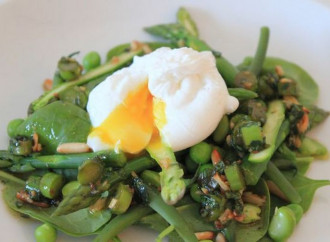
- THE RECIPE: EASTER SALAD WITH POACHED EGG AND BALSAMIC VINEGAR




Saint Honoratus, patron of bakers and pastry chefs
A man full of faith, one of the youngest bishops in the history of the Church, Saint Honoratus of Amiens is known (along with other saints) to be the patron saint of bakers and pastry chefs. His name is linked to one of the most popular confectionery preparations: the Saint-Honoré cake, invented around 1850 at the Parisian patisserie Chiboust.
- THE RECIPE: SAINT-HONORÉ CAKE

Lawrence, the saint who teaches the fervour of faith
Saint Lawrence is the patron saint of various categories of food workers, such as cooks, pasta makers, rotisserie workers and pastry makers. He is depicted as a young deacon dressed in the dalmatic. His iconographic attribute is the gridiron, because of the torture he suffered. In the story of his martyrdom, legends and historical truths are woven together, but his story certainly shows us the beauty of sacrificing oneself for the Lord.
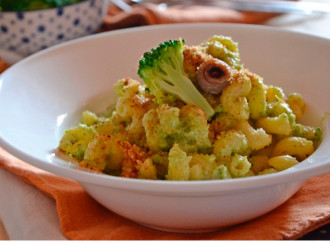
- THE RECIPE: PASTA WITH BROCCOLI AND BREADCRUMBS
From Argentina to Piedmont, Francis’ favourite dishes
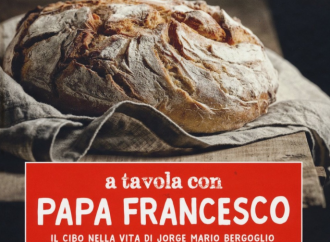
Argentina and Piedmont are geographically distant lands, but linked to Bergoglio's life and origins. Both their cuisines are simple and exalt the purity of ingredients. And a book, “At the Table with Pope Francis”, contains some of the Argentine pontiff's favourite recipes, from mate to bagna càuda.
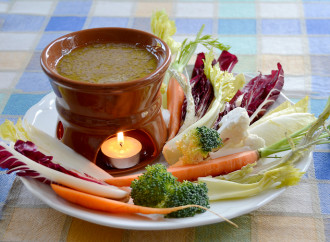
- THE RECIPE: BAGNA CÀUDA
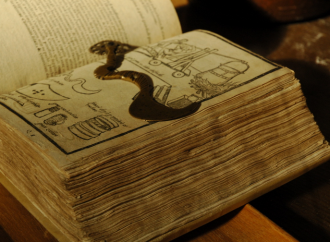
Pius V and Scappi served up illustrated gastronomy book
St Pius V was a remarkable pontiff who did a great deal to defend the faith. Although he ate frugally, he had the finest cook of the Renaissance (inherited from his predecessor): Bartolomeo Scappi. Thanks to Pope Ghislieri, he published ‘Opera dell’arte del cucinare’, the first illustrated book on gastronomy. And in May, a film will be released, ‘Il Cuoco del Papa’ [The Pope’s Cook], based on this historic publication.
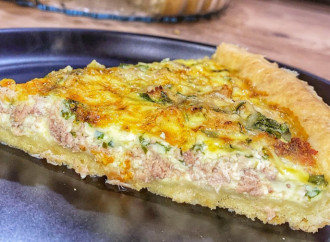
- THE RECIPE: TUNA PUFF PASTRY PIE