
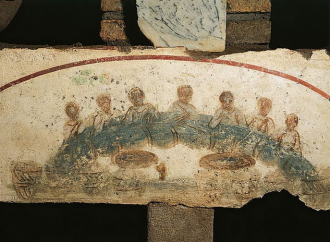
The fish, symbol of Christ the Saviour
Besides being a source of nourishment, the fish is a symbol that recurs frequently in the Holy Scriptures. Early Christians used it as a sign of recognition to indicate the Saviour. It is no coincidence that Jesus makes much use of the metaphor of fishing in his discourses. And in the figure of Peter, one of the fishermen Apostles and the first Pope, we can see the link between Christ and believers.
- THE RECIPE: BAKED SAINT PETER’S FISH WITH OLIVES AND FENNEL
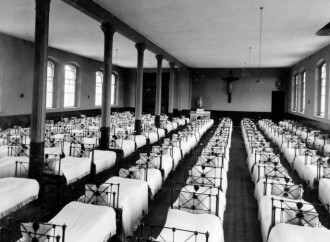
Ireland in 20th century: cruel and harsh but the Church wasn’t to blame
Ireland in the 20th century may have been cruel and harsh, but the Church wasn’t to blame. The report on Catholic "Mother and Baby Homes" of the twentieth century largely disproves the black legend about the mistreatment and exploitation of women and children. It makes us reflect on the Church's inability to counter social norms and to create a culture of respects for all persons.


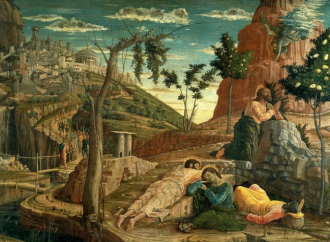
Honey, symbol of abundance and wisdom
From Aristotle to Virgil, many ancient authors have written about bees. In the Bible, this precious insect is mentioned five times, and the product of its work - honey - more than sixty times. Honey symbolises positive things, such as abundance, wisdom and even the word of God.
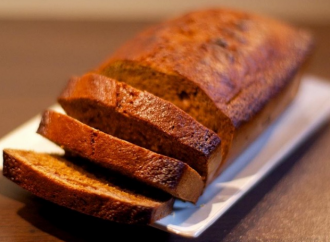
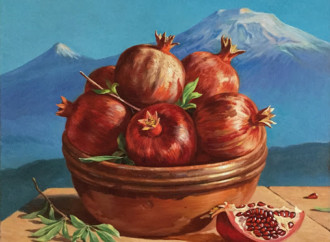
The mysterious pomegranate in the Holy Scriptures
Moses spoke of the pomegranate, but it is also found in the Song of Songs, and in Exodus it is even presented as a decorative fruit. Beautiful, unique, and delicious, it has inspired artists, poets, traditions and religions that see it as a source of both fertility and well-being. This is why it is included in so many recipes.
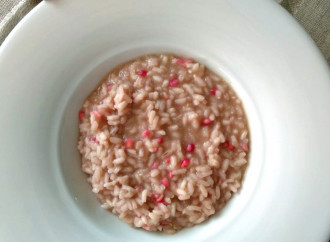
- THE RECIPE: RISOTTO WITH POMEGRANATE
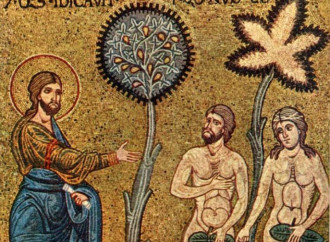
The fig tree, present from Genesis to Revelation
In the Holy Scriptures there are 44 verses that mention the fig tree. Some believe it was the Tree of Knowledge of Good and Evil from which Eve picked the forbidden fruit. It certainly is rich in symbolism and Jesus referred to the fig tree several times in his public life. Even today Israel is full of these trees and their blossoming may be a messianic sign.
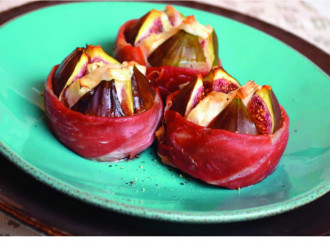
- THE RECIPE: BAKED FIGS WITH CHEESE AND HAM

Racism in football, stories of waffle
Uruguayan international footballer Edinson Cavani has been forced to defend himself against a slanderous accusation of racism after thanking a friend with 'gracias negrito', a Spanish term of endearment. What is really behind anti-racist militancy?
Holy Land, cradle of vine cultivation
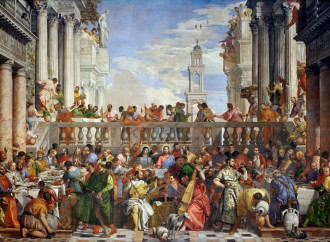
The land of Jesus is a land of wines. The biblical roots of wine-growing date back three thousand years before Christ, and ancient Canaan became a place where vines were grown a good two millennia before wine culture reached Europe. The wine and the chalice also highlight the dimension of sacrifice. This is why Jesus chose this drink for the institution of the Holy Eucharist.
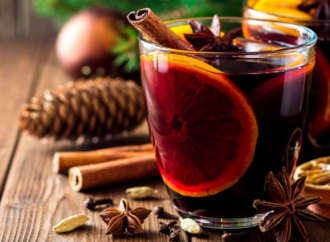
- THE RECIPE: MULLED WINE
Milk, mankind’s first nourishment
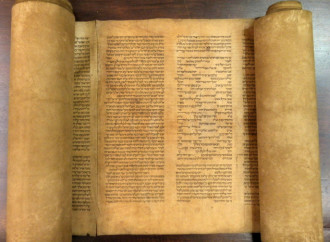
For every latitude and religion, mother's milk is an extension of the special relationship between the child and the mother. In the Holy Scriptures, milk is mentioned several times, as in the theophany at the Oaks of Mamre, where Abraham serves the Lord milk and meat together, implicitly giving an answer on the Jewish dispute between what is allowed (kosher) and forbidden (terefah) to eat. In reality, food prohibitions are primarily cultural.
- THE RECIPE: CRÈME CARAMEL