

If an Islamic arbitration court were to be established in Padua, it would certainly be nothing new. Traditionally, Islamic courts have operated in matters of family law in Greece, and more recently in the UK. In Germany and France, they are not officially recognised, but they effectively exist within Muslim communities.
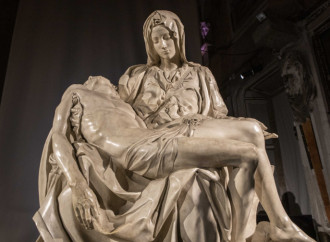
Cardinal Müller: Co-Redemptrix is a truth contained in Revelation
At the international conference De Maria numquam satis, held in Rome on 7–8 October 2026, Cardinal Müller fully vindicated the Marian title of 'Co-Redemptrix' and the truth expressed by that title. Following Cardinal Burke’s address, he affirmed that this truth is objectively contained in the revelation that God has made to humankind.
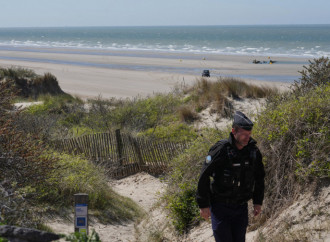
Migrant rapes in English Channel acknowledged by UK minister
The Home Secretary, Shabana Mahmood, has admitted that many women who reach northern France and board rubber dinghies bound illegally for the UK are raped during the voyage. Meanwhile, the British government empties its prisons.
Amoris Laetitia – Vatican marks tenth anniversary of moral U-turn
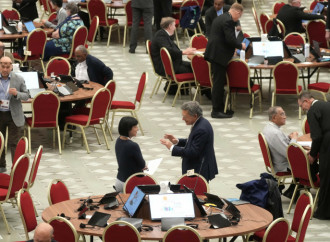
Today marks the start of the bishops’ meeting, ten years on from Pope Francis’ controversial apostolic exhortation which dismissed Veritatis Splendor and imposed the criteria of the new synodality. This shift compels us to question the document and its outcomes, beginning with the refusal to proclaim the entirety of the Gospel on the family.
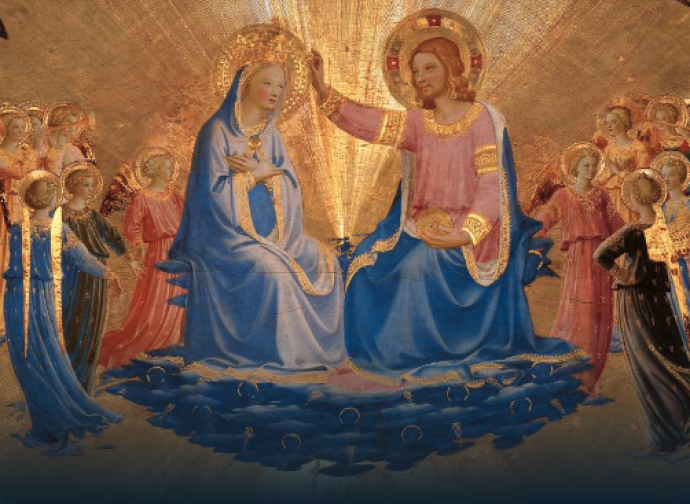
A two-day conference on the theme 'De Maria numquam satis' begins today at the Augustinianum in Rome, with an opening address by Cardinal Burke. Exactly one year on from the promulgation of the Note Mater Populi Fidelis, the event will highlight the uniqueness of the mystery of Mary: a creature who was raised to such heights that not even eternity will suffice to fully comprehend her.
- The Mission of the Co-Redemptrix and the Co-Redeemers, by Card. Raymond L. Burke
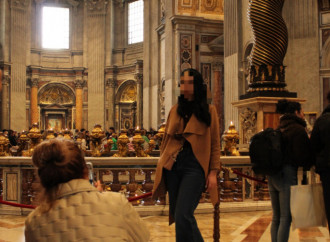
Now is the moment to restore a sense of the sacred to St Peter’s which under Gambetti’s management, bowed to climate neutrality and high energy efficiency. The chaotic and disrespectful transformation from the Pope’s church into a museum favoured desecrations by tourists and distractions for the faithful.
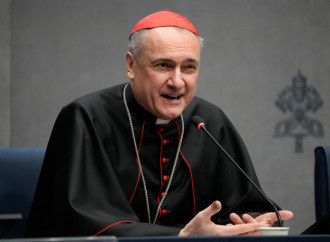
From archpriest of St Peter’s Basilica to head of the Archdiocese of Chieti: the Franciscan cardinal's appointment is certainly not a promotion. The question remains as to who will take his place at the basilica after a five-year term that caused much debate.
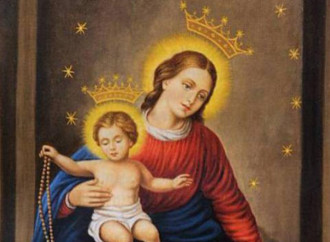
October, the Month of the Queen of the Rosary

Orange march threatens fragile peace in Northern Ireland

Whether by Fraud or Mistake: AI and Betrayed Trust
Lourdes, the Pope Speaks Out Against Abortion and Euthanasia
After Paris, Leo XIV was also greeted by a huge crowd in Lourdes: 150,000 faithful were present, including many who were ill. The Pope denounced the “false compassion” behind euthanasia and assisted suicide, as well as the destruction of embryos.
U.S. Bombing of Iranian School: The AI's First Crime
The case of the bombing of the school in Minab, Iran, is far from closed and was raised again by the Iranian president at the UN General Assembly. Tracing the error back to its origins, Bloomberg discovered that it was a case of the Pentagon’s misuse of artificial intelligence. The (human) military placed too much trust in the AI’s recommendations, forgetting that it is humans who must provide it with accurate data.
“Mary and the Eucharist: The Pillars of Fulton Sheen’s Spirituality”
Today in the United States, the beatification of the great archbishop and evangelist who converted tens of thousands of people through books, radio, and television. “He prayed and made sacrifices even for those he was trying to convert.” La Bussola interviews Bishop Jason Gray, director of the organization promoting his cause.
Hamburg, pro-gender archdiocese ignores Rome and insults families
Two letters from the diocesan leadership, and seen by the Daily Compass, discredit families who are protesting against controversial sex education guidelines imposed on their children in Catholic schools. The letters order these families to ignore the guidelines and the Vatican's warnings.