
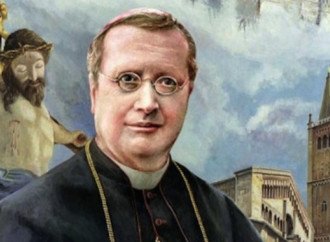
Saint Guido Maria Conforti
The founder of the Xaverians never ceased to encourage the evangelisation of non-Christians in the world.


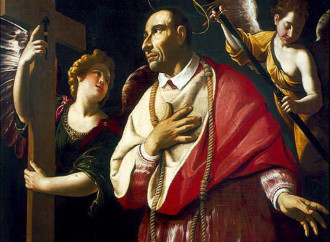
Saint Charles Borromeo
He was rightly called “a second Ambrose” and is considered one of the most shining examples of holiness that animated the Catholic Reformation.
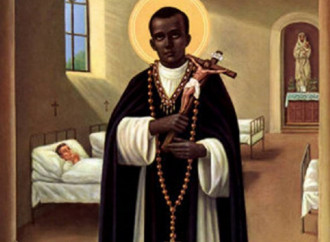
Saint Martin de Porres
There are many supernatural gifts with which God adorned the humble soul of Martin de Porres (1579-1639), a great Peruvian saint who did not have an easy childhood.
Commemoration of all the Faithful Departed
The Church today commemorates all the faithful who have died, i.e. those who died in the grace of God. On their behalf we are called to offer good works.
All Saints
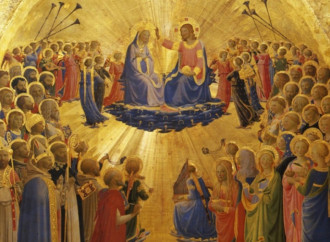
Today the Church celebrates the solemnity of All Saints, including those not canonised and whose names we do not know, “united in Christ in glory”, as the Roman Martyrology recalls.
Saint María de la Purísima of the Cross
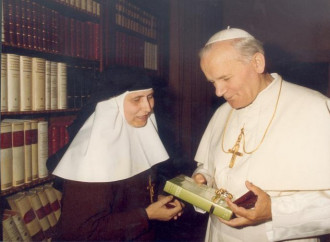
For almost 22 years, until her death, she was the Mother General of the Company of the Cross. For certain manifestations of holiness, she is reminiscent of Mother Teresa of Calcutta...
Saint Germanus of Capua
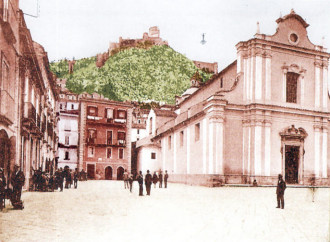
The doctrine and wisdom acknowledged to St Germanus of Capua († 540/541), friend of St Benedict, were important in settling a schism with the East that had lasted for 35 years.
Saint Gaetano Errico
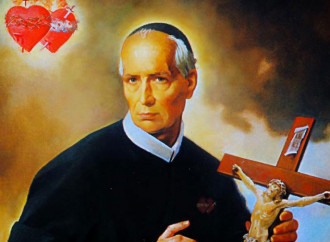
He founded the Missionaries of the Sacred Hearts of Jesus and Mary. His great care for the sacrament of Confession was combined with his attention for the poor, the sick, the prisoners.
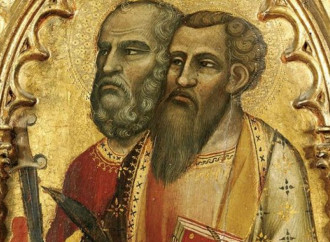
Saints Simon and Jude
They suffered martyrdom together in Persia, where they met after evangelising other regions.
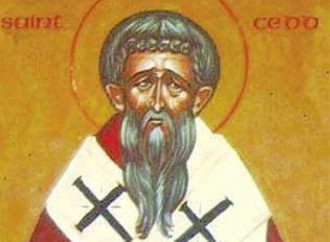
Saint Cedda
He carried out fundamental work in the complex historical and religious framework of 7th century Britain.
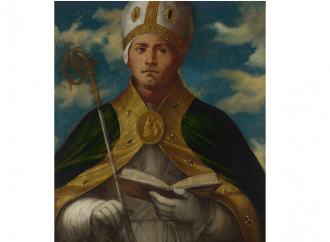
Saint Gaudentius of Brescia
His clear and simple doctrine spread throughout the Christian world, so much so that he received several exhortations to write.