
Orange march threatens fragile peace in Northern Ireland
Scenes from the past are resurfacing, just as they did during the Troubles—the conflict in Northern Ireland between the Protestant majority and the Catholic minority. The Orangemen (Protestants, unionists) want to march once again down the symbolic Garvaghy Road in Portadown, sparking protests from Catholics.

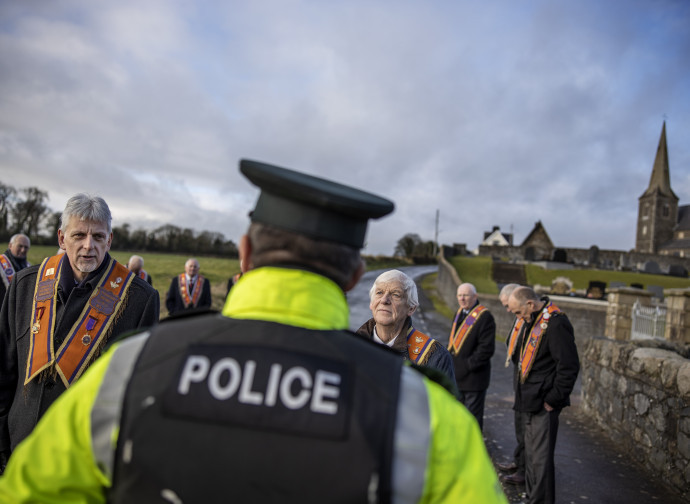
The Garvaghy Road in County Armagh is synonymous on the Island of Ireland with the Troubles, that bloody sectarian conflict in Northern Ireland that claimed in the lives of 3,500 people. Clashes and deaths associated with the small road in the town of Portadown threatened to derail the peace process in the late 1990s, as the sectarian Protestant organization the Orange Order continually sought to march through a predominantly Catholic and nationalist neighbourhood. The picturesque Anglican church of Drumcree that overlooks the Garvaghy Road belies its image with the infamy it calls to mind.
To see the name of the road in headlines across the world again as Orange Order members and nationalist protestors faced off on the morning of Sunday, 27 September, was to be brought back almost 30 years to a darker time in Irish history. Amid tense scenes and with a significant police presence, both marchers and protestors stood their ground into the night.
Michelle O’Neill, the first Catholic to hold the position of First Minister in Northern Ireland, joined the protest, as did Sinn Féin leader Mary Lou McDonald and other nationalist politicians. It was not until the Garvaghy Road Residents’ Coalition heard that it would have an opportunity to speak to the First Secretary of Northern Ireland Sir Chris Bryant that the protest ended. Talks have been ongoing since Monday morning, with Bryant meeting relevant parties from all sides, without coming to a resolution yet.
All this could have been avoided had the Parades Commission and the Police Service of Northern Ireland (PSNI) used their common sense and recognized the divisive and traumatic nature of Orange Order marches on the road. The Commission is an independent body that was established in the 1990s to settle disputes over the hundreds of marches, many of them sectarian, that take place in the North. For nearly 30 years, it has blocked Orange Order applications for a parade down Garvaghy Road.
Clashes related to the march frequently led to violence, with a 1995 stand-off resulting in the deaths of several people. In 1997, the local Catholic parish was forced to celebrate Mass in front of British army lines after locals were blocked from entering their local church. Photos of parish priest Father Sean Larkin elevating the host before British trucks and troops have become icons of the Troubles. Finally, in 1998 the Parades Commission barred the Protestant Organization from undertaking the contentious march. The dispute was linked to a deadly sectarian arson attack carried out that year by the Ulster Volunteer Force, a militant loyalist organization that favoured the North remaining part of United Kingdom, leaving three Catholic schoolboys dead after their home was bombed in the early hours of July 12.
The Orange Order, which was founded in 1795 with the express mission of maintaining the Protestant Ascendancy in Ireland, has requested permission to parade there again every year since. In 2022, on the 25th anniversary of the last march, the order argued that the effective ban infringed on their rights. However, the Garvaghy Road Residents’ Coalition warned that the trauma of the past remained alive for many locals. They told the Parades Commission that any initiatives to facilitate an Orange Order march on the Garvaghy Road would “bring to the fore issues, anxieties and fears, which residents consider should remain in the past and which could have wider ramifications”.
Given the traumatic history of the area, it came as a shock to Catholics and nationalist politicians when, after nearly 30 years since the last Orange Order parade down the road, the sectarian organization was given permission to do so once again. The news came on Friday, 26 September, after the Parades Commission reversed the effective ban it has imposed for almost three decades.
The Primate of All-Ireland Archbishop Eamon Martin said on Saturday, 26 September, the decision left him “saddened” and disappointed. He added that his thoughts were with those “for whom the situation brings back deeply traumatic and painful memories” and he prayed for a democratic and legal resolution to the “complex” issue. First Minister O’Neill was even more blunt in her assessment, calling the decision “madness”.
The Parades Commission changed its policy after the Orange Order applied for a significantly scaled-down march. The Commission said it received advice from the PSNI suggesting that they did not expect disorder or violence and commissioners gave that assessment “significant weight”. They ultimately concluded that allowing a very small parade under strict conditions was the best way to balance the rights of marchers and of residents.
How both police and commissioners concluded that a small parade would not lead to disorder and violence has not been adequately explained. It is not the size of the parade that was at issue, but the nature of it and the history associated with it. For Catholics, the Orange Order represents the sectarian and anti-Catholic history of the North, which was established in 1921 out of six counties that remained part of the British Empire as the other 26 attained their freedom. From the very beginning, the Protestant majority sought to oppress and beat down the Catholics and the resultant tension spilled over into the violence of the Troubles, with the Garvaghy Road a symptom of this wider malaise.
With so much at stake for community relations in the wake of the 1998 Good Friday Agreement that put an end to violence, to re-open the wounds of Garvaghy Road was imprudent and unjust. It reflects poorly on the PSNI’s leadership and the commissioners, who have allowed the Orange Order to renew their sectarian attack on the North’s fragile peace. It will take courage and patience to undo the damage of Sunday’s stand-off and the decisions that led to it.
